WHAT IT IS
A beetle that glows
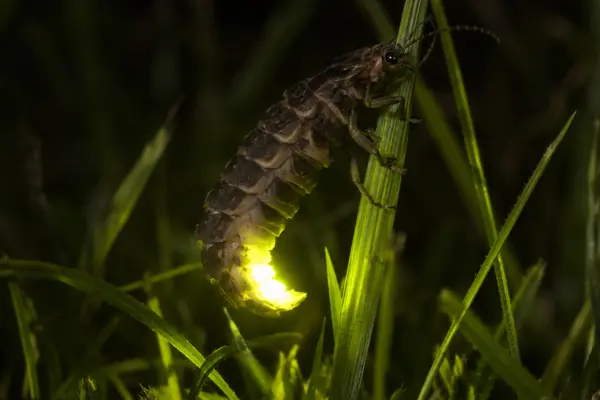
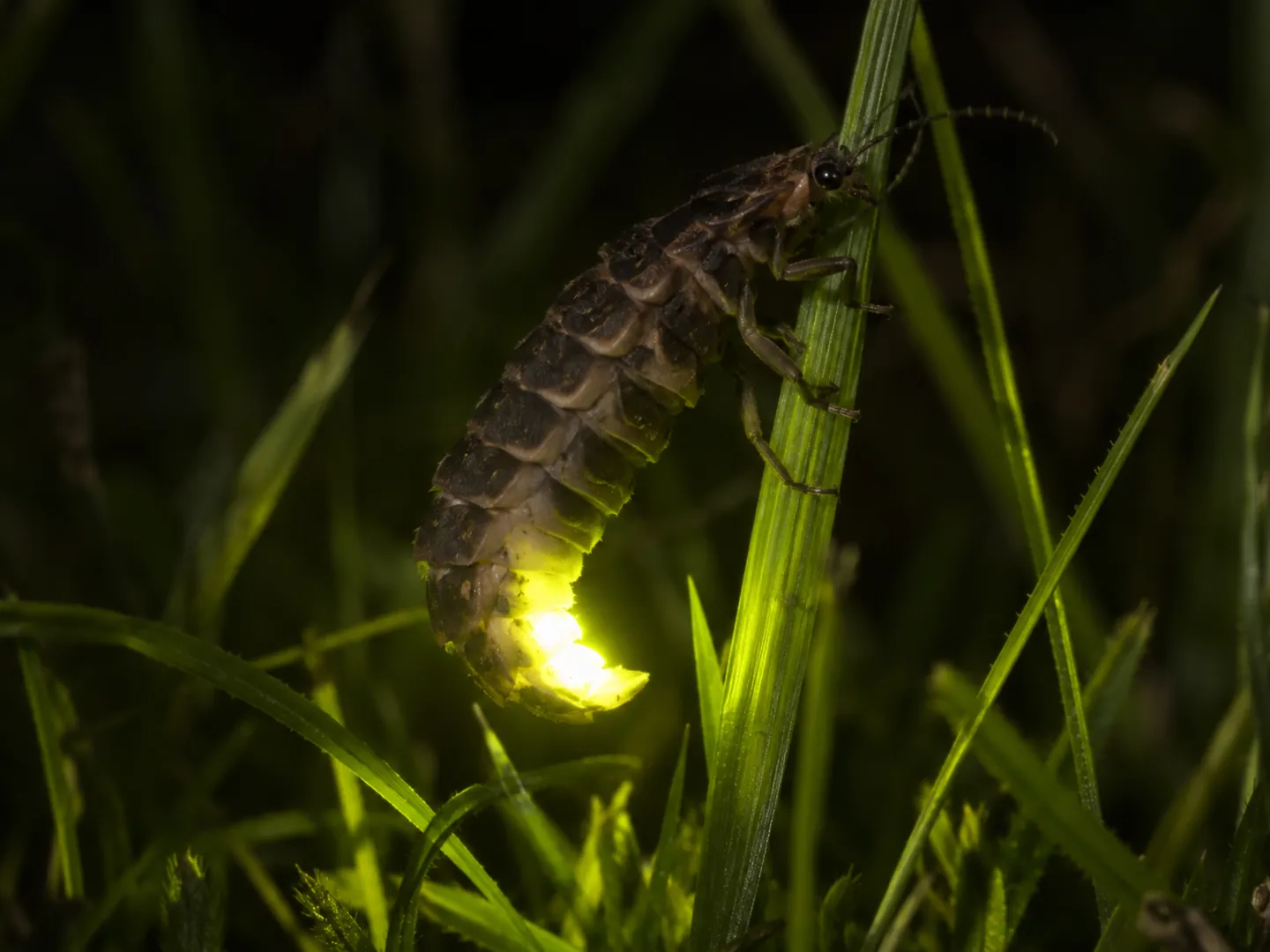
The Natural History Museum says glow-worms are beetles, not worms. Adult females carry a large light organ at the end of the abdomen; males are smaller and have wings.
How the glow works doodleglows
WHAT THE NATURALISTS SAY
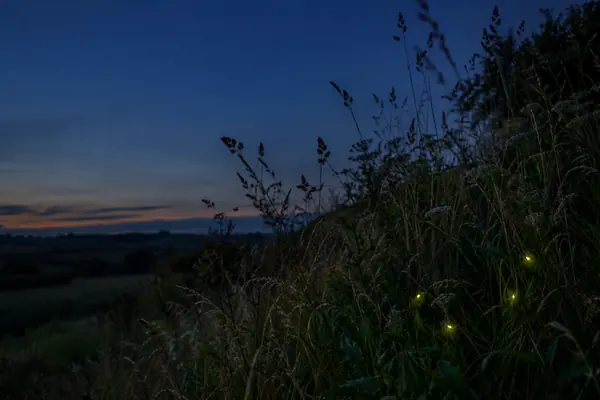
That glow on a summer verge is a beetle.
Plan a glow walk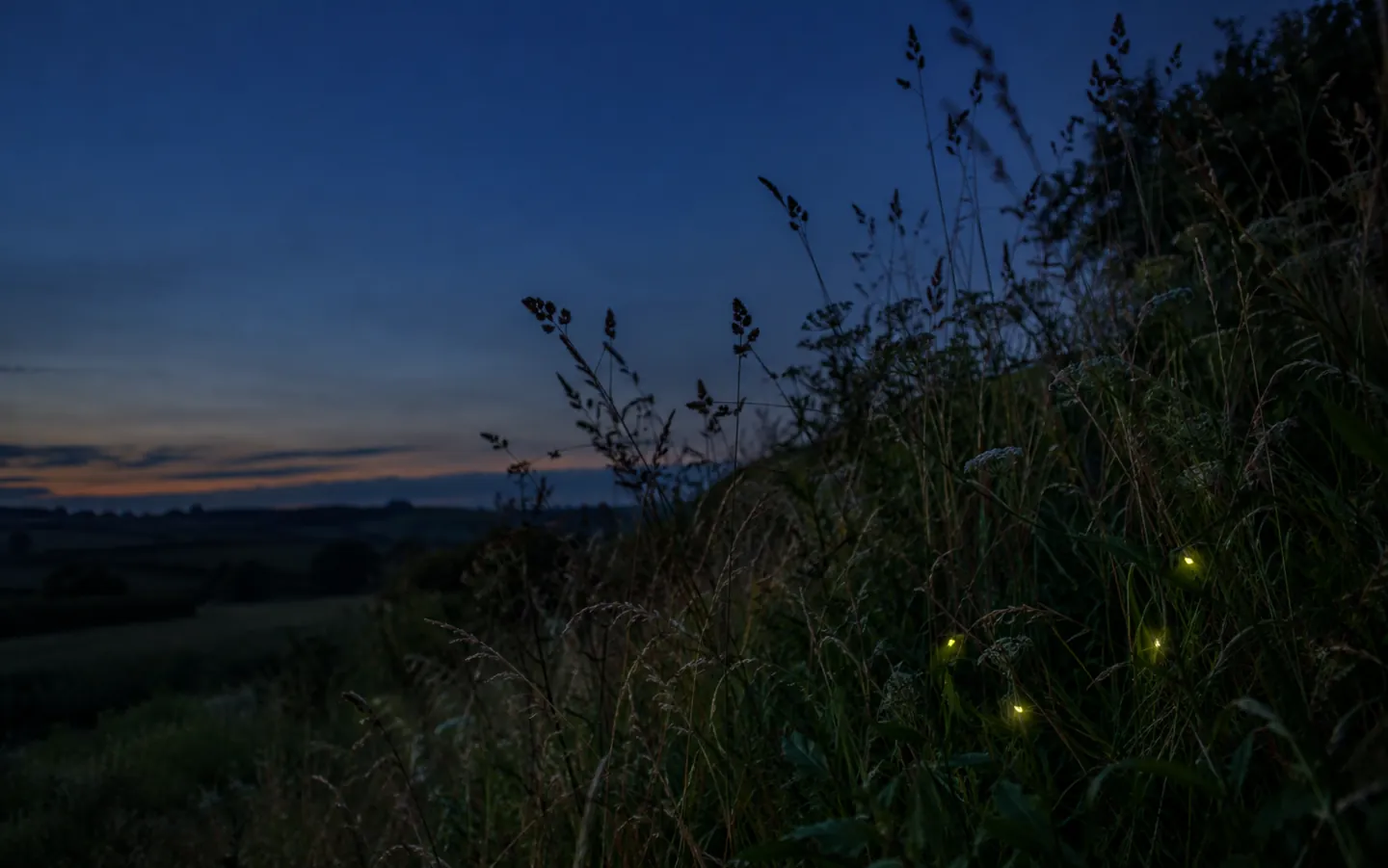
JUNE–JULYafter dark
The glow-worm is not a worm at all. The wingless adult female climbs a grass stem after dark and shines a steady light to attract flying males, for just a few weeks of her life.
At a glance
14–21 days
How long an adult female lives
Adult females cannot feed, so they live only about 14 to 21 days. They stop glowing after mating, lay their eggs and die. Adults are thought to be only about 1% of the glow-worm's life.
ADULT LIFE · UK GLOW-WORM SURVEY
≈ 3.5% a year
Fall in glowing females at south-east England sites
A 2020 study of 19 transect sites in Essex, reported by the NHM, found counts of glowing females fell by about 3.5% per year from 2001 to 2018. Warmer, drier conditions had a clear negative effect.
DECLINE · INSECT CONSERVATION AND DIVERSITY
TWO NUMBERS WORTH KNOWING
One figure for how long a female glows,
one for how the glow has been fading.
The Woodland Trust lists possible threats as changes in land use and habitat, pesticide use, light pollution and possibly parasites. It says glow-worms remain fairly common but have disappeared from some sites.
A QUICK NIGHT CHECK
Pick a time and place. The bar shows how likely you are to see glowing adult females, based on when and where naturalists say they are active.
Based on the Natural History Museum, the Woodland Trust and the UK Glow-worm Survey. Local timing varies from year to year.
THE SHORT ANSWER
Glow-worms are easy to miss and easy to love.
Three things improve your chances.
WHAT IT IS
The Natural History Museum says glow-worms are beetles, not worms. Adult females carry a large light organ at the end of the abdomen; males are smaller and have wings.
How the glow worksWHEN
Adults are about from May to September, peaking in June and July. The UK Glow-worm Survey says to start once you can no longer see colour in the landscape.
Pick a monthWHERE
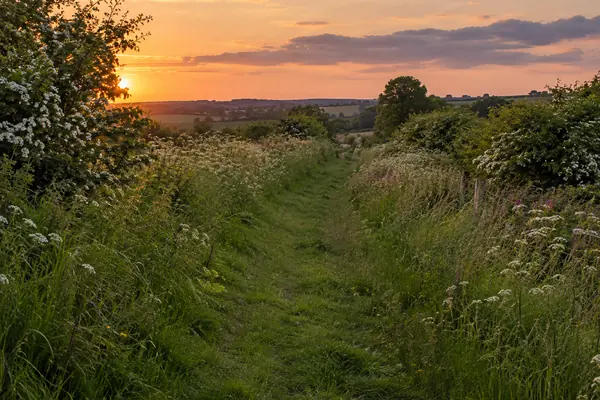
Look in grassland, hedgerows and woodland edges, often where there are plenty of small snails, and away from artificial lights.
Plan a walk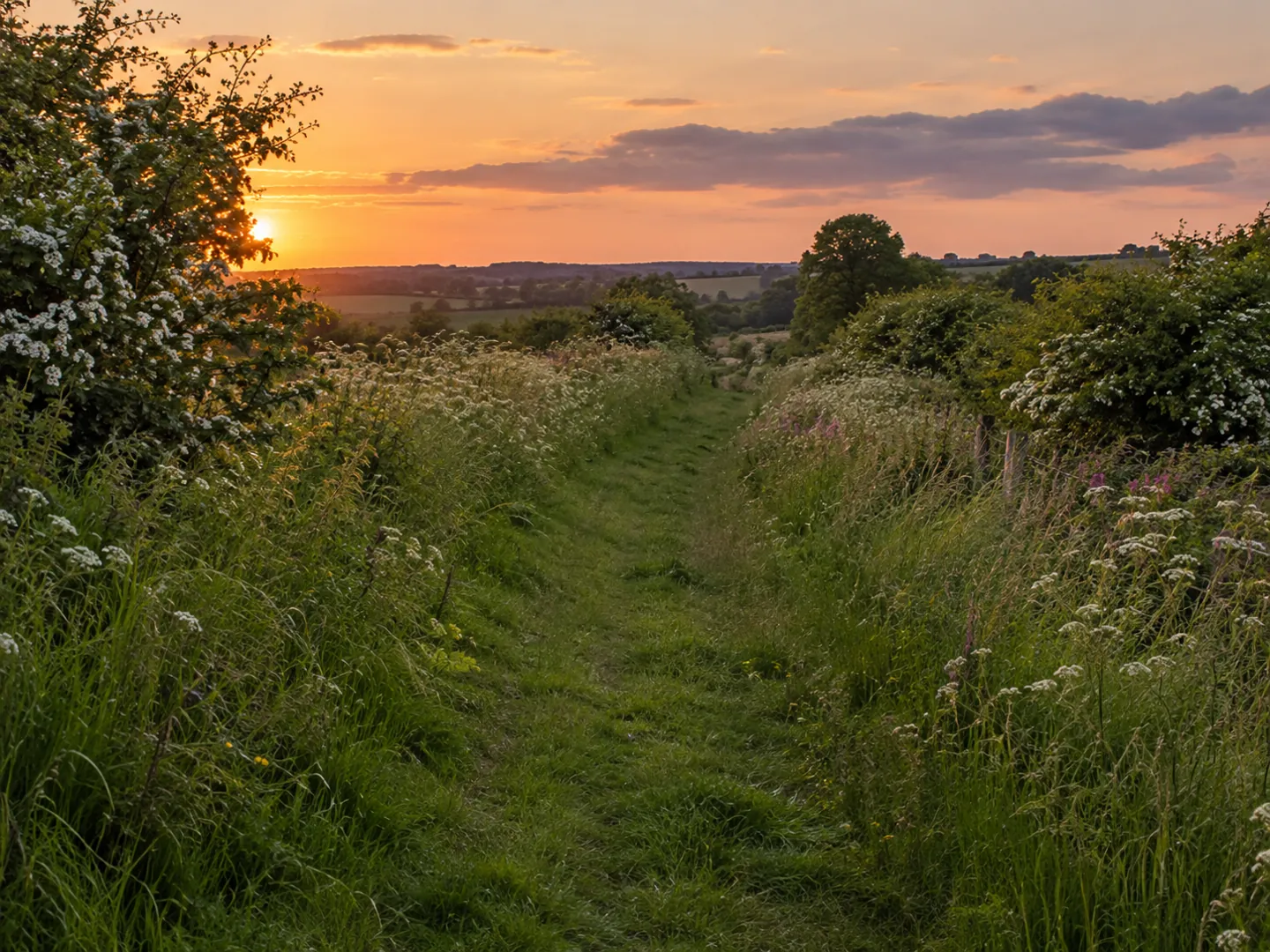
FOUR HABITS TO TRY
You need no special kit, just a warm, dark evening and a little patience. These tips come from the UK Glow-worm Survey.
Visit a known public site first to learn what to look for. Local nature groups run glow-worm walks in season.
Take a torch and a companion, but avoid very bright or fluorescent lights, which spoil your night vision.
Glow-worms need specialised habitat, so the survey asks people not to take them home.
Sightings can be sent to the national iRecord database, with your location blurred to 1 km if you prefer.
HOW THE GLOW WORKS
The light is bioluminescence: a chemical called luciferin combines with oxygen, driven by an enzyme called luciferase. Glow-worms give a steady light rather than flashing.
The UK Glow-worm Survey notes that, unlike many fireflies, glow-worms cannot switch their light on or off instantly. The female usually stays in one spot, curled to point her glow upwards.
Questions
No. The Natural History Museum says they are beetles in the family Lampyridae, which has over 2,000 known species. Britain's common glow-worm is Lampyris noctiluca.
Adult females glow to attract flying males. The UK Glow-worm Survey says only the wingless adult female glows strongly and males rarely glow.
Evenings in June and July, once it is properly dark. The UK Glow-worm Survey gives the season as late May to early September, with a peak in mid-July.
The larvae prey on small snails, and the Woodland Trust says slugs too. Adults do not eat at all; the Woodland Trust notes they lack mouthparts.
The Woodland Trust says the common glow-worm is found in parts of Britain but is not present in Northern Ireland.
Sources
ABOUT THIS NAME
doodleglows.com is part of the DoodleSale portfolio. It isn't in an auction right now, but you can ask about leasing it.